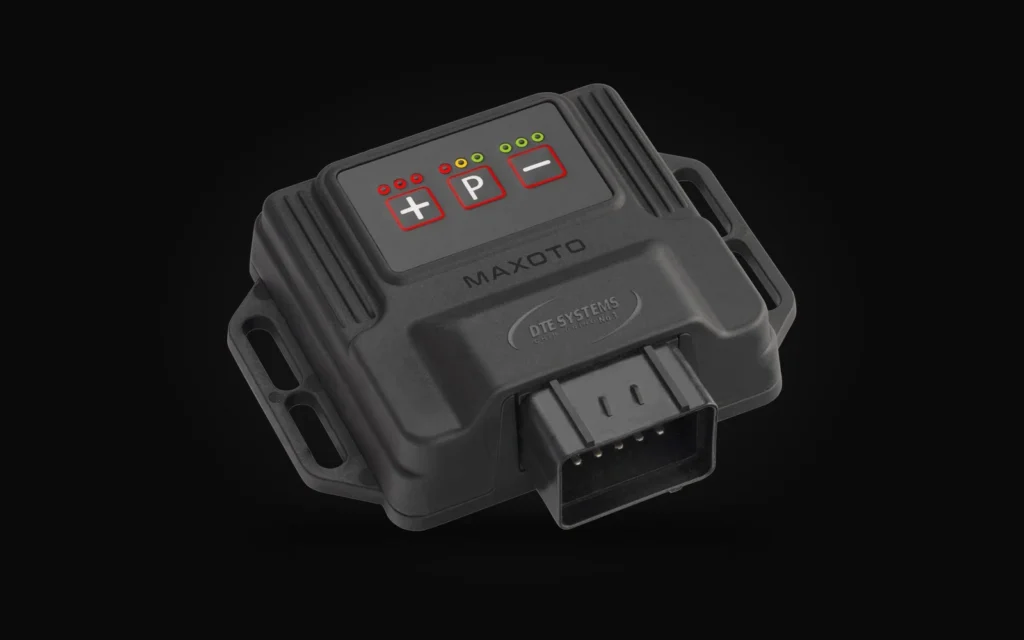
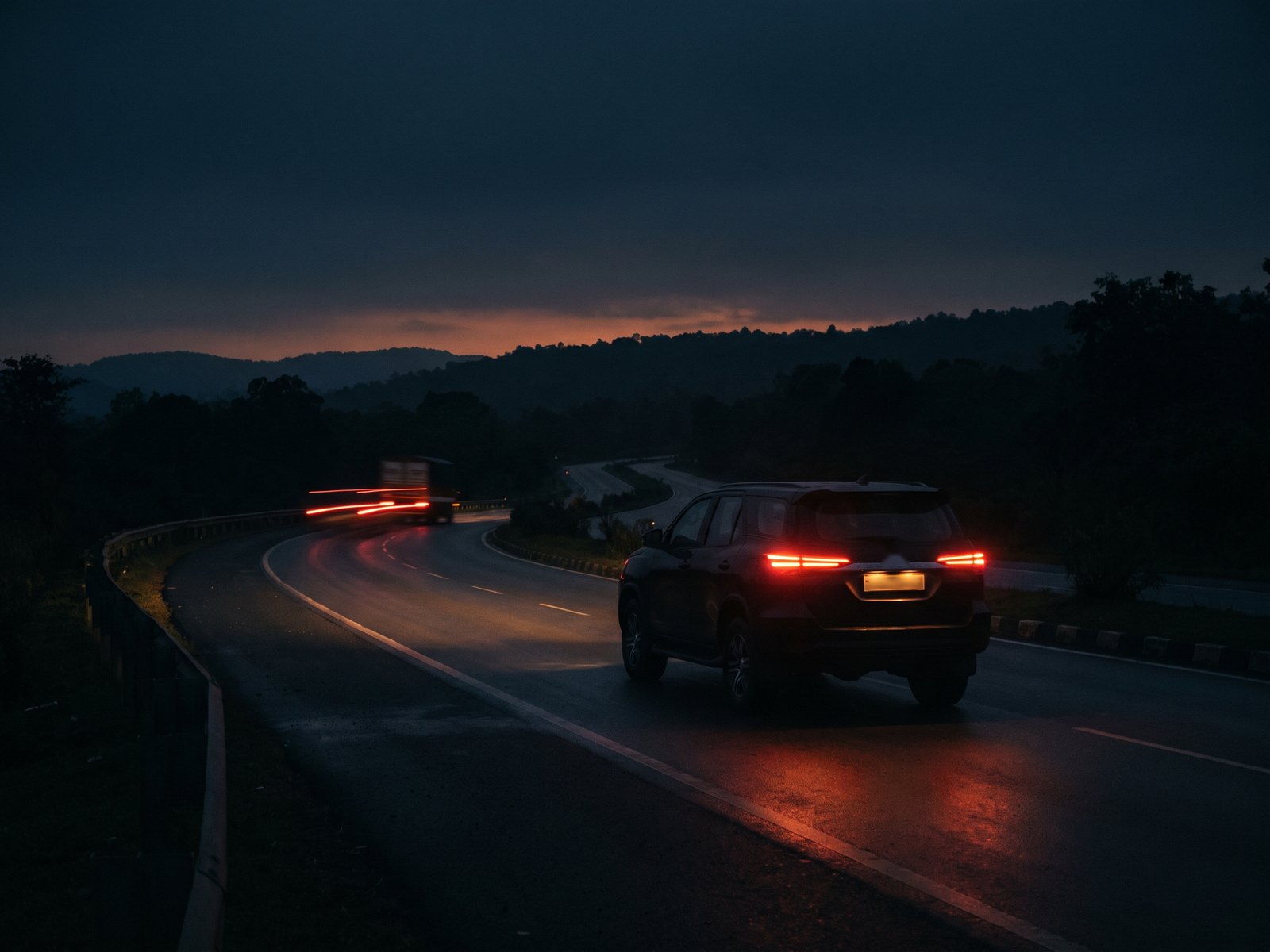
A year ago I installed a PedalBox Pro in my own Fortuner. Not a press loaner, not a workshop demo car — my car. Same Delhi traffic, same weekend Murthal runs, same fuel station, same tank size. Here’s everything that happened in 12,000 kilometres.
The setup: why I wanted to test it personally
I work at MAXOTO. I sell PedalBox Pro. That’s exactly why I needed to put one in my own car for a full year before I could keep telling customers it makes a real difference. Showroom impressions don’t survive a Monday morning commute. Sport+ mode feels electric on a test drive — but does it still feel electric on day 187, when you’ve made the same left turn 400 times?
I bought the device at full price (₹51,999), installed it myself in seven minutes, and started logging. No filters, no cherry-picked weeks. Every fill-up, every long drive, every annoyance.
The numbers, mode by mode
I rotated through all five driving modes across the year — at least 2,000 km in each. Here’s the headline data:
The fuel economy delta in ECO mode was bigger than I expected. On highway runs with cruise-friendly throttle behaviour, the device pulls noticeably less aggressive pedal mapping in this mode — which translates to gentler injection events. Two full tanks averaged 13.8 km/l versus the 12.4 km/l I tracked across six months without the device. That’s about an 11% improvement.
Sport+ goes the other way, predictably. I logged 0.6 km/l less economy in mixed Delhi commute. Worth it for the daily driver feel? For me, absolutely. For someone optimizing for tank range, switch to ECO on the highway.
What actually changed in daily driving
The good
The Fortuner 2.8D has a throttle response curve that’s notoriously lazy in the first 20% of pedal travel — Toyota tuned it deliberately, probably to make the diesel feel smoother. In stock form, pulling away from traffic lights requires more pedal than feels natural. After installing PedalBox Pro in Sport, that lazy zone gets compressed: the same pedal angle now corresponds to a sharper torque response. The car finally feels as quick as the spec sheet suggests.
The 21 micro-levels matter more than I thought. I run Sport Level 14 daily — not because higher would be wrong, but because Level 14 is where the Fortuner stops feeling jerky on partial throttle. Different car, different sweet spot.
The unexpected
Here’s the one thing I didn’t see coming: my driving got smoother. Counter-intuitive, right? The car is more responsive, so I should be more jumpy with the pedal. But the opposite happened. Because the first 20% of pedal now does what I expect, I’m not over-correcting. The pedal stopped feeling like a binary switch and started feeling like a dial.
It stopped feeling like a binary switch and started feeling like a dial.
— Aditya, six months in
What about the immobiliser?
Honestly, I forgot it was on for the first three months. The Luxe Remote sits in my pocket; when I walk away, the device locks throttle response below a stall threshold. Then one Saturday at a wedding, I parked in valet and forgot to hand over the remote. The car cranked, started, but wouldn’t move. That was the test I didn’t plan to run. The system did exactly what it was supposed to do.
The BLE pairing is rolling-code, which means a relay attack against my keyless entry wouldn’t propagate to PedalBox. If a thief defeats the Toyota system, they get a car they can crank but can’t drive.
Install, service, firmware
Install took seven minutes. Three plugs. The companion app paired the device on the first try and PerfecTune auto-calibrated to the Fortuner’s specific throttle map across the next two cold starts. I haven’t touched the install since.
Firmware-wise, I’ve taken three OTA updates over the year — all delivered via the app over Bluetooth. One added a new Sport mode preset tuned for the 2.8D, another patched a BLE handshake quirk on iOS 18, and the third was a security update.
Would I buy it again at full price?
Yes. And I work here, so this is the easiest test in the world to game — but I won’t, because I’m writing this for the person about to drop ₹51,999 on something they can’t unbox-and-return after a test drive. Here’s the honest cut:
Buy it if: your car feels lazy off the line, you do mixed city/highway driving, or you want a reversible upgrade with a real warranty.
Don’t buy it if: you only want more peak power (this is throttle response, not an engine remap), or you never notice pedal feel.
One year, 12,000 km, no regrets. Onto year two.